The Impact of Environment on Player Behavior
The environment of a casino plays a crucial role in influencing player behavior and their overall experience. Casinos are designed to overwhelm the senses, using bright lights, sounds, and elaborate themes to create an atmosphere that captivates visitors. This sensory overload is intentional; it keeps players engaged and encourages them to stay longer. For instance, the sounds of slot machines and cheers from table games enhance the excitement, effectively creating an auditory backdrop that fosters a festive mood. Many players enjoy the thrill of classic games, but others also explore options for gaming like pokies online nz , which adds variety to their experience. The combination of visual and auditory stimuli serves to engross players, leading them deeper into the gaming experience.
Moreover, the layout of a casino is strategically crafted to maximize foot traffic and promote exploration. When guests navigate through winding paths filled with gaming options, they may lose track of time and become more inclined to gamble longer. This design concept, often referred to as the “maze” effect, is meant to draw players deeper into the casino, making it less likely for them to exit sooner. By crafting an environment that feels both thrilling and immersive, casinos can subtly manipulate how individuals perceive time and satisfaction. This design philosophy creates a sense of urgency and excitement that can heighten the gambling experience.
The psychological aspects of color and lighting also play significant roles in shaping player experiences. Each hue affects emotions and behaviors differently, with warmer colors promoting excitement and colder tones creating a sense of calm. Brightly lit areas may encourage social interactions and risk-taking, while dimly lit corners can evoke a sense of intimacy, encouraging players to stay secluded and focused on their games. By understanding how these elements influence mood and decision-making, designers can create spaces that not only entertain but also entice further engagement. The careful selection of colors and lighting can enhance the overall ambiance, making players feel more comfortable and engaged in their activities.
Designing for Engagement and Retention
Effective casino design incorporates elements that enhance player engagement and retention, ensuring that guests are both entertained and likely to return. One common strategy employed is offering strategic rewards and incentives that resonate with players’ desires. Free drinks, loyalty programs, and bonuses are meticulously designed to encourage continued play, fostering a sense of appreciation among patrons. These incentives are not merely monetary; they create an emotional connection, making players feel valued and more inclined to return. This emotional investment can significantly impact player behavior, leading to longer visits and increased spending.
The placement of gaming machines and tables is another vital aspect of casino design that influences player retention. By positioning popular games near entrances, casinos capitalize on foot traffic and entice newcomers. Additionally, creating comfortable spaces allows players to settle in for longer periods, as they feel less fatigued. This combination of strategic placement and comfort creates an atmosphere that encourages players to dive deeper into their chosen games, thereby increasing the likelihood of prolonged visits. Casinos may also incorporate lounge areas or comfortable seating to further enhance this experience, ensuring players feel relaxed and willing to extend their stay.
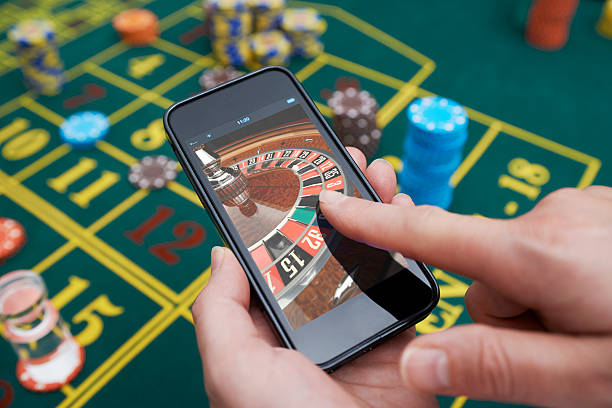
Moreover, the integration of technology plays a crucial role in modern casino design. Interactive screens, mobile gaming options, and seamless payment systems cater to a generation of players who seek convenience and instant gratification. This tech-savvy approach not only enhances the gaming experience but also ties into the broader trends of personalization and customer-centric services that modern players expect. As technology continues to advance, casinos that adapt and innovate will likely maintain a competitive advantage in attracting and retaining patrons. The incorporation of technology fosters a dynamic gaming environment that appeals to a wide range of players, from novices to seasoned gamblers.
The Role of Social Interaction
Social interaction is an important psychological component of casino design, as many players thrive on community and shared experiences. Casinos often host events and tournaments designed to foster camaraderie among players, building a sense of belonging. This social atmosphere can enhance player satisfaction, encouraging individuals to return not just for the gambling but for the social connections formed during their visits. Gamified experiences that involve teamwork or competitions can create memorable moments that resonate with players beyond just monetary gains. The social aspect of gaming can transform a solitary activity into a communal experience, enhancing overall enjoyment.
Furthermore, the layout of gaming areas can promote interaction among players. For instance, games like poker are designed with a communal aspect, where players can engage in conversations while playing. This design choice encourages a lively atmosphere, as participants share strategies or simply enjoy banter. By creating spaces that facilitate human connection, casinos leverage the social aspect of gaming to increase overall enjoyment and retention. The presence of bars and restaurants within casino premises further encourages socializing, allowing players to take breaks and interact with others, thus enhancing their overall experience.
Additionally, online platforms have begun to integrate social elements into virtual gaming experiences. Features like live dealers and chat functions allow players to interact, mirroring the social environment of physical casinos. This blend of technology and interaction highlights the continued importance of community in gaming, regardless of the medium. As casinos evolve, understanding and enhancing these social dynamics will be paramount in keeping players engaged and satisfied. The ability to foster a sense of community in both physical and online spaces can significantly impact player loyalty and satisfaction.
The Influence of Branding and Theming
Branding and theming are invaluable tools within casino design, shaping perceptions and attracting target demographics. A strong theme not only enhances the aesthetic appeal of a casino but also contributes to the overall narrative and experience offered to players. For instance, a casino themed after a famous city or historical era can provoke curiosity and eagerness among visitors, compelling them to explore the offerings. These themes create a memorable identity, which can aid in customer loyalty and brand recognition. Themed environments can transport players into different worlds, enhancing the escapism that gambling offers.

Further, the branding of a casino extends beyond physical design; it encompasses the entire experience. From marketing strategies to customer service, every touchpoint communicates the brand’s values and promises. High-end casinos often focus on luxury and exclusivity, promoting an elite atmosphere that appeals to affluent patrons. Conversely, budget-friendly establishments highlight fun and inclusivity, appealing to a broader audience. This distinction helps potential guests align their expectations and choose spaces that resonate with their individual desires. Strong branding can create a lasting impression, influencing repeat visits and fostering loyalty.
Moreover, the use of visual elements like logos, signage, and decor reinforces brand identity throughout the casino. These consistent elements ensure that players associate positive experiences with a specific casino brand, encouraging repeat visits. As competition grows both online and offline, the ability to craft an engaging brand experience becomes increasingly vital in securing a loyal customer base. By paying attention to these psychological aspects, casinos can effectively differentiate themselves in a saturated market. This differentiation can be crucial in attracting new patrons while retaining the existing customer base.
The Future of Casino Design
Understanding the psychology behind casino design is essential for both operators and players alike. The intricate interplay of environment, engagement strategies, social dynamics, and branding all culminate in a compelling experience that drives player behavior. As the casino industry continues to evolve, staying attuned to psychological principles will be crucial for successful design and marketing strategies. For those interested in exploring these themes further, there are numerous resources available online. Engaging with expert analyses, case studies, and industry reports can provide valuable perspectives on the effectiveness of various design concepts.
Moreover, the emergence of virtual reality and augmented reality technologies presents new opportunities for casinos to enhance player engagement. These technologies can create immersive experiences that mimic the excitement of physical casinos while allowing players to enjoy the convenience of gaming from home. As operators adapt to these advancements, understanding the psychological implications of such innovations will be vital in maintaining player interest and satisfaction. The future of casino design will likely hinge on the ability to blend traditional gaming experiences with cutting-edge technology.
Ultimately, the key to successful casino design lies in a deep understanding of player psychology. By creating environments that resonate with human emotions and behaviors, casinos can foster loyalty and enhance the overall gaming experience. As the landscape of the casino industry continues to transform, operators who prioritize psychological insights in their design strategies will likely thrive in the competitive market. This focus on player-centric design will ensure that casinos remain relevant and appealing to a diverse range of players.